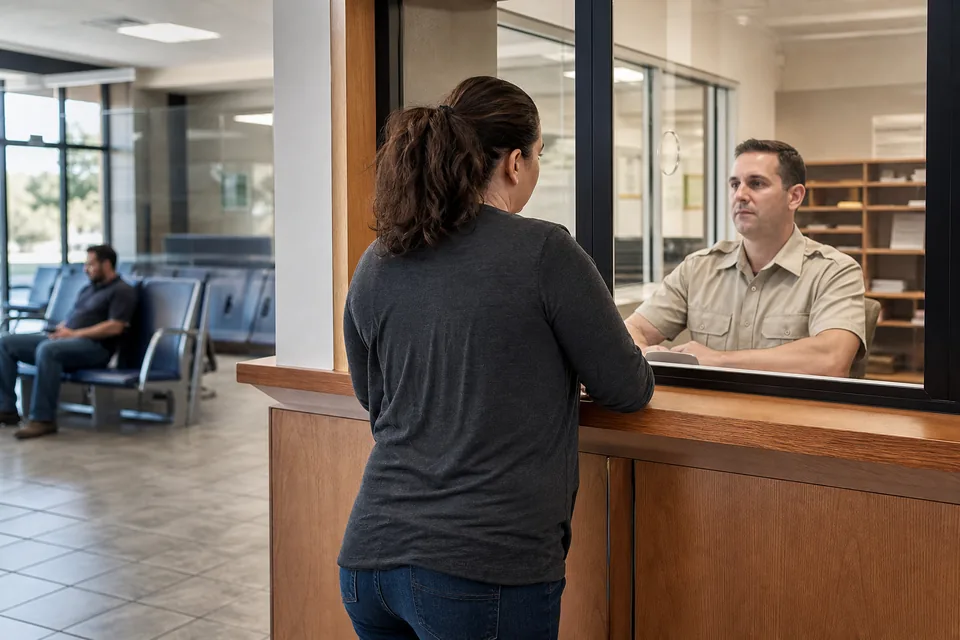
Step 1. Work out the county
An arrest is booked in the county where it happens. That is the county where the person was at the time, which is not always the county where they live. If they were driving, think about the route. If you only know the city, look up which county it is in. A few large cities sit in more than one county, and some cities run their own jail for the first hours after an arrest.
If you cannot narrow it down, a search by name and state covers the sources for the whole state. Start one from the arrest records page.
Step 2. Check the county jail roster
Almost every sheriff's office publishes a jail roster, an inmate search or an arrest inquiry on its website. Search the last name first. Rosters often list names as they appear on an ID, so try the legal first name and not a nickname.
A roster entry usually shows these fields.
- Name, age and a booking number
- Booking date and arresting agency
- Charges at booking
- Bond amount
- Whether the person is still in custody
Booking takes time. A person arrested an hour ago may not appear yet, so check again after a few hours. The official roster for the counties we cover is linked from the Source Directory.
Step 3. Call the jail if the website shows nothing
Jails answer the question of whether a named person is in custody. Call the non-emergency number of the county jail, give the full name and the date of birth, and ask whether the person has been booked. Ask for the booking number and the charges, and write them down. Do not call 911 for this.
Step 4. Check the court clerk
If the person was released on bond or with a citation, the roster no longer lists them, but a court case may exist. Search the name in the case search of the clerk of court for the county. A new criminal case shows the charges filed and the next hearing date. Charges in the court record can differ from the charges at booking, because a prosecutor decides what to file. See court case lookup.
Step 5. Widen the search
When the county sources show nothing, widen the search in this order.
Neighboring counties and the city police department.
The offender search of the state department of corrections, if the arrest was some time ago and the person may have been sentenced.
The federal inmate locator of the Bureau of Prisons, for federal charges.
The Online Detainee Locator System of U.S. Immigration and Customs Enforcement, if immigration detention is possible.
The inmate search page explains which system holds a person at each stage.
What you will not find
Some arrests do not appear in any public search. Records of people under 18 are confidential. A person held for a mental health evaluation is not under arrest and is not on a jail roster. An agency can hold back a record during an active investigation. Sealed and expunged records are removed from public view. In these cases the jail or a lawyer can tell a close relative more than a website can.
How to read an arrest record
An arrest record tells you that a person was taken into custody and why the officer made the arrest. It does not tell you what happened next. An arrest is not a conviction. Charges may have been dropped, dismissed or resulted in acquittal. Before you draw any conclusion, look for the disposition in the court record.
Check that the record belongs to the right person as well. Compare the age, the middle name and the county. Two people with the same name in the same state is common.
Will there be a mugshot
It depends on the county and the state. Some sheriffs publish a booking photo with every roster entry. Other states limit when an agency may release booking photos, and federal booking photos are generally not released. The guide how to look up mugshots by state explains the differences.
A faster way when you do not know the county
Checking rosters one county at a time works when you know where to look. When you do not, MugshotLookup starts from the name and the state, lists the official sources for the jurisdiction, and in the full report shows the booking and court records it finds, each with its source and date. To hear about a future arrest of the same person, turn on arrest alerts.
MugshotLookup is not a consumer reporting agency as defined by the Fair Credit Reporting Act (FCRA). You may not use this site or any information from it to make decisions about employment, tenant screening, consumer credit, insurance or any other purpose covered by the FCRA.
Questions and answers
Can I find out if someone was arrested for free?
Yes. County jail rosters and most court clerk searches are free to use on the official sites. The work is knowing which county to check and repeating the search in each one.
How long does it take for an arrest to show up online?
Usually a few hours, once booking is complete. The court case appears later, after charges are filed.
Can the police tell me if someone was arrested?
The jail can confirm whether a named adult is in custody. Call the non-emergency number of the county jail.